Structured Cabling: The Backbone of Modern Business Connectivity
In today’s fast-paced digital world, a robust network infrastructure is essential for business success. At the heart of this infrastructure lies structured cabling—a system that ensures your organization stays connected, competitive, and ready for future growth.
What Is Structured Cabling?
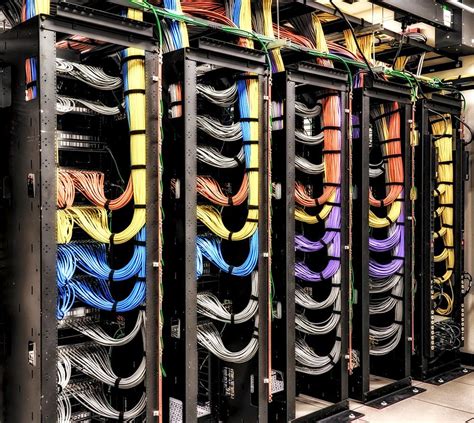
Structured cabling is a standardized system of cables and hardware that forms a complete telecommunications infrastructure. Unlike traditional point-to-point cabling, it provides an organized, scalable, and easily managed network that supports data, voice, and video transmission across your facility.
This approach simplifies maintenance, reduces downtime, and makes future upgrades seamless.
How Does It Work?
Structured cabling is built on key components that work together to deliver reliable connectivity:
- Entrance Facility: Brings external services into the building.
- Backbone Cabling: Connects different floors and sections.
- Horizontal Cabling: Links workstations to the network.
- Patch Panels & Cables: Enable quick device connections and network changes.
A well-designed system often integrates:
- Data and voice cabling
- Low-voltage systems
- Security cabling
Why It Matters
A properly installed structured cabling system ensures:
- High-speed, reliable connectivity
- Simplified maintenance and scalability
- Future-proofing for technology upgrades
This organized approach supports the demands of modern networking, helping businesses remain agile and efficient.
Key Considerations for Installation
Before implementing structured cabling, keep these factors in mind:
- Floor Plan & Layout: Determines cabling routes and transition points.
- Building Size & Structure: Influences design complexity and hardware selection.
- Choosing the Right Installer:Experience: Proven track record in design and installation.
- Certifications: Compliance with industry standards.
- Comprehensive Services: From assessment to maintenance.
The Bottom Line
Investing in structured cabling is more than a technical upgrade—it’s a strategic decision that ensures your business remains connected, efficient, and ready for the future.